How to Protect Your Conover, NC Lawn From Summer Stress, Red Clay, and Brown Patch
A healthy Conover lawn needs more than fertilizer and frequent watering. The best approach combines proper mowing and irrigation with fall lawn aeration and seeding in Conover, NC, especially when compacted red clay, summer heat, or fungal disease is weakening the grass.
Tall fescue is common in this part of North Carolina, but it naturally struggles during hot, humid summers. Brown patch, shallow roots, poor drainage, and compacted soil can quickly turn a thick lawn into thin, brown, or bare areas.
Why Conover Lawns Struggle During Summer
Conover lawns often face
heat stress, high humidity, compacted Piedmont clay, and fungal pressure at the same time. Fixing the lawn starts with identifying which problem is causing the damage.
| Problem | Common Signs | Recommended Response |
|---|---|---|
| Heat or drought stress | Wilted grass, footprints that remain visible, widespread browning | Deep morning watering and a higher mowing height |
| Brown patch | Circular or irregular tan areas during humid weather | Reduce leaf wetness and avoid heavy summer nitrogen |
| Compacted clay | Hard soil, puddling, runoff, and thin grass | Core aeration and soil improvement |
| Poor drainage | Standing water, erosion, or consistently soggy areas | Grading or a drainage solution |
| Excessive shade | Thin grass that repeatedly fails to fill in | Pruning or replacing turf with landscaping |
Do not assume every brown area needs fertilizer or fungicide. Adding the wrong treatment can waste money and create additional stress.
How to Reduce Brown Patch in Tall Fescue
Brown patch is best managed by reducing prolonged moisture on the grass and limiting unnecessary summer stress. NC State Extension identifies brown patch as a common disease of tall fescue and recommends proper mowing, careful fertilization, better airflow, and improved cultivars as part of an effective management plan.
Use these steps to lower the risk:
- Water early in the morning. Morning irrigation allows the grass blades to dry as the day warms.
- Avoid watering at night. Evening irrigation can keep the lawn wet for hours and create favorable conditions for fungal growth.
- Mow tall fescue high. Keep it around 3 to 4 inches during summer and avoid removing more than 1/3 of the blade in one mowing.
- Use sharp mower blades. Dull blades tear the grass and leave damaged tissue that loses moisture more quickly.
- Avoid heavy summer nitrogen. Fast, tender growth may be more vulnerable to brown patch during hot, wet weather.
- Improve sunlight and airflow. Selective pruning may help shaded areas dry more quickly.
- Use improved seed varieties. When overseeding, select tall fescue cultivars suited to Piedmont growing conditions.
Our professional mowing service can help maintain a consistent height without cutting the lawn too short.
Brown Patch or Drought Stress?
Brown grass does not always mean fungal disease. Brown patch commonly appears as irregular or circular areas during warm, humid weather, while drought stress often affects sunny, shallow, or exposed parts of the yard first.
Before treating the lawn, check:
- Whether the soil feels wet or dry
- Whether symptoms appeared after several humid nights
- Whether the blades have tan lesions with dark borders
- Whether the area receives poor airflow or heavy shade
- Whether sprinkler coverage is uneven
- Whether the grass quickly recovers after proper watering
An accurate diagnosis helps you avoid unnecessary fungicide, fertilizer, or irrigation.
How Red Clay Affects Your Lawn
Red clay can support healthy grass, but it becomes a problem when it is compacted or poorly graded. Dense clay limits the movement of air and water, leaving roots shallow and reducing the lawn’s ability to recover from heat.
During heavy rain, compacted clay may cause:
- Standing water
- Surface runoff
- Muddy or spongy areas
- Erosion channels
- Root damage from saturated soil
During dry weather, the same soil may become hard and difficult for water to penetrate.
Adding fertilizer alone will not correct these conditions.
The soil needs more open space so water, oxygen, and nutrients can reach the root zone.
Why Core Aeration Helps Clay Soil
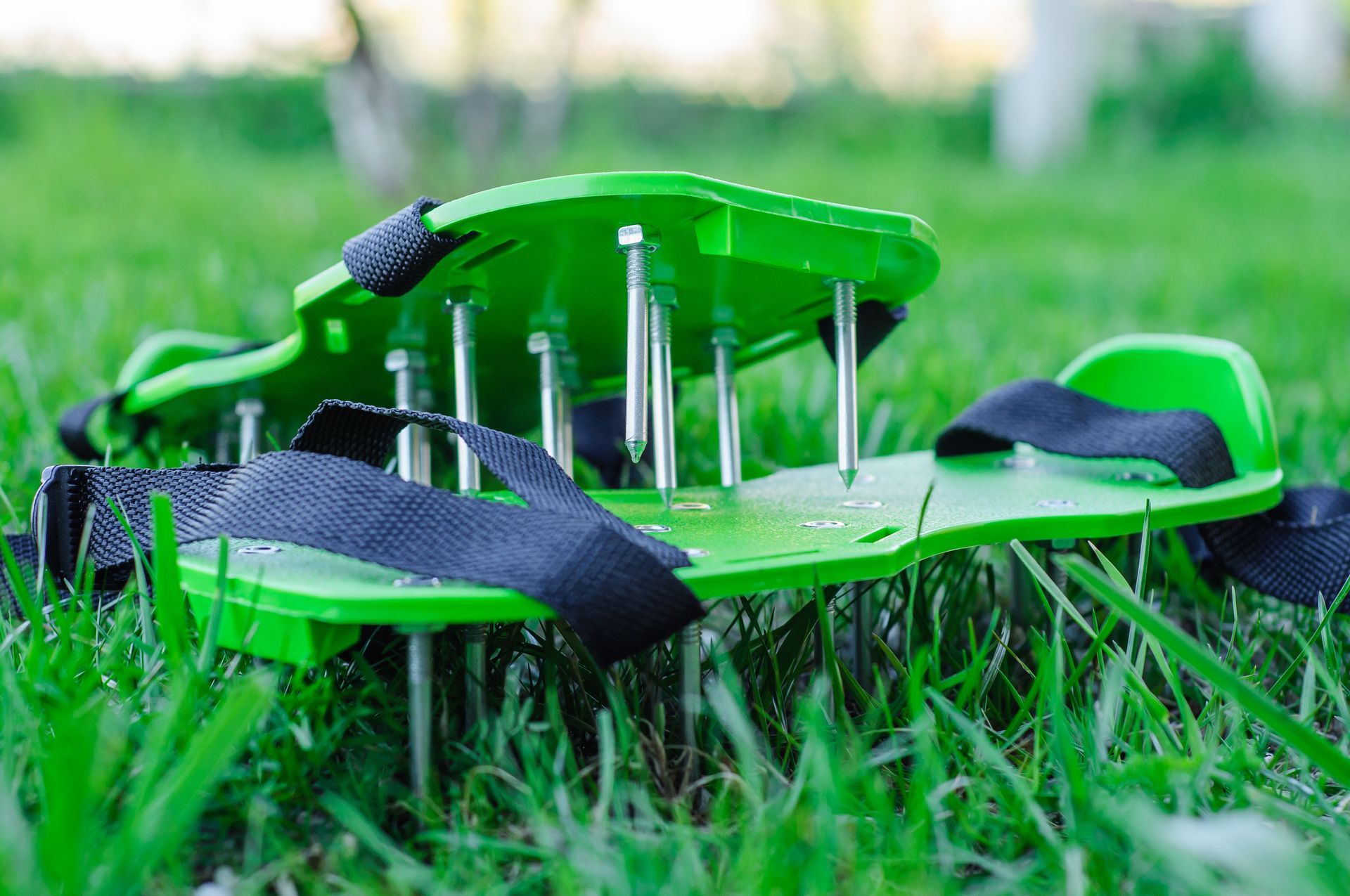
Core aeration relieves compaction by removing small plugs of soil from the lawn. These openings make it easier for water and oxygen to enter the soil while giving roots more room to grow.
Aeration may help when:
- Grass looks thin despite regular care
- Water runs off instead of soaking in
- The ground feels hard when dry
- Bare areas develop along walkways or play areas
- The lawn receives heavy foot or equipment traffic
- New seed struggles to establish
Pro Series Lawn Care uses commercial equipment as part of our aerating and seeding service. The company’s process includes inspecting the lawn, core aerating compacted soil, applying seed, and providing aftercare recommendations.
Aeration can improve compacted turf, but it cannot repair every water problem. If the lawn holds water because of an incorrect slope or low area, grading or drainage work may also be necessary.
Best Time for Lawn Aeration and Seeding in Conover, NC
Early fall is usually the best time to aerate and seed a tall fescue lawn in Conover. Cooler air reduces stress on new seedlings, while warm soil encourages germination and root development before winter.
For homeowners in the North Carolina Piedmont, September through early October is generally a practical target. Exact timing should reflect weather, soil moisture, and the condition of the existing lawn.
A professional fall renovation typically includes:
- Inspecting the lawn for compaction, disease, shade, and drainage problems
- Mowing and clearing debris to improve seed-to-soil contact
- Core aerating the compacted areas
- Applying an appropriate tall fescue seed blend
- Watering lightly and consistently during germination
- Reducing foot traffic while the seedlings establish
- Delaying mowing until the new grass is tall enough
Read more about the benefits of regular lawn aeration and overseeding when planning your fall lawn care.
Water New Seed Differently From Established Grass
Established turf and newly seeded turf have different watering needs. Mature grass benefits from deeper, less frequent irrigation, while new seed needs the soil surface to remain consistently moist during germination.
After seeding:
- Apply light water without creating puddles or runoff
- Check exposed and sunny areas more often
- Keep people and pets off soft soil
- Gradually reduce watering frequency after germination
- Increase the amount of water as roots grow deeper
- Avoid washing seed into low spots
Once the grass becomes established, return to deeper morning watering based on weather and soil moisture.
When Aeration Is Not Enough
Aeration will not solve a yard that directs water toward the house or repeatedly collects runoff in the same low area. Persistent standing water, erosion, and soggy turf usually require a broader evaluation.
Your yard may need grading or drainage work when:
- Water remains long after rainfall
- Soil washes downhill during storms
- Downspouts discharge into problem areas
- Low spots stay muddy
- Water moves toward the foundation
- Grass repeatedly dies in the same location
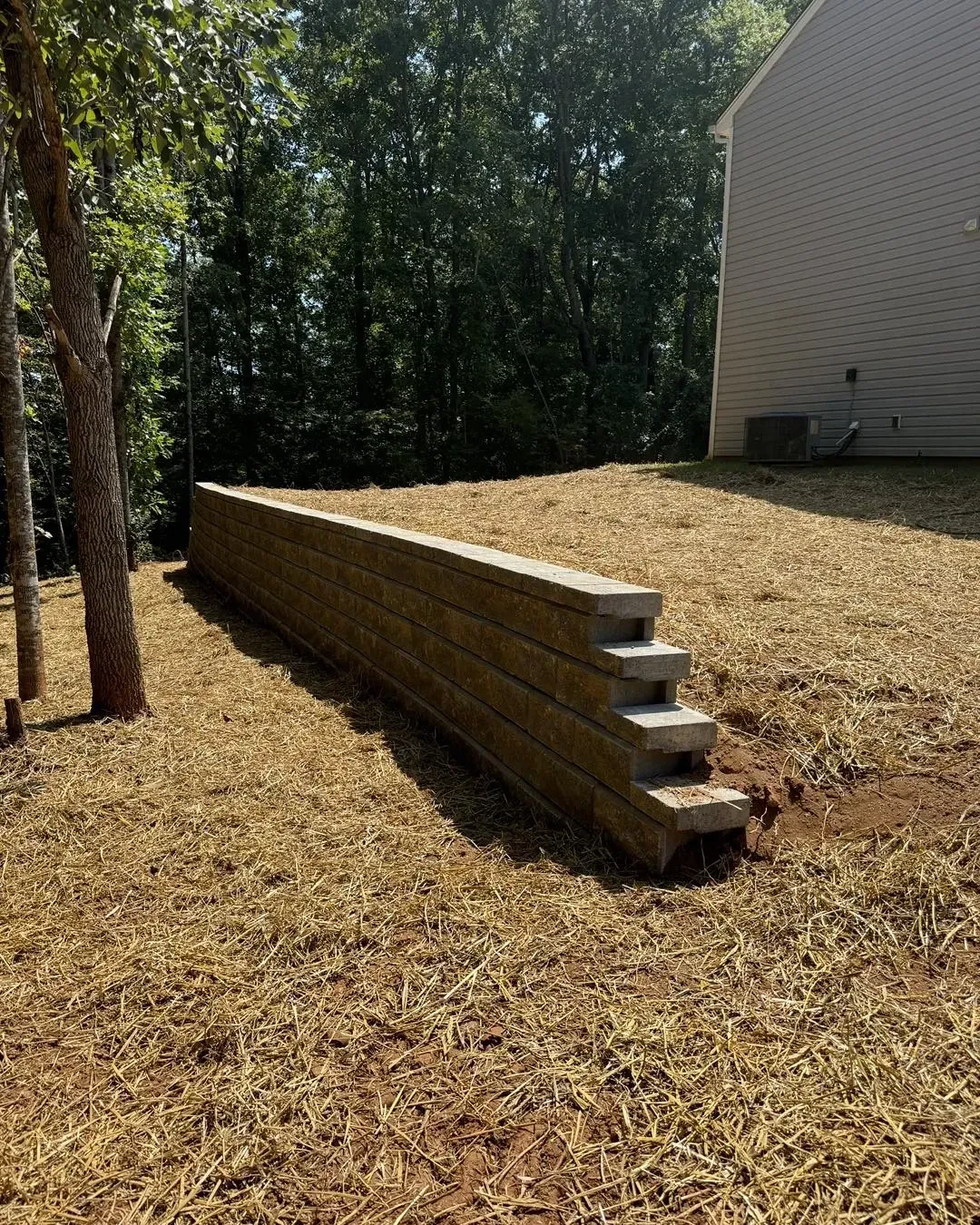
Possible solutions include regrading, redirecting downspouts, installing a swale, stabilizing a slope, or using an appropriate drainage system. Pro Series Lawn Care offers grading and landscaping work for residential and commercial properties in Conover and surrounding Catawba County communities.
Our landscaping services can also help convert areas that are unsuitable for turf.
Replace Grass in Areas Where It Cannot Thrive
Some parts of your property may perform better without grass. Deep shade, steep slopes, narrow side yards, and constantly wet corners often require repeated reseeding with little lasting improvement.
Consider replacing difficult turf with:
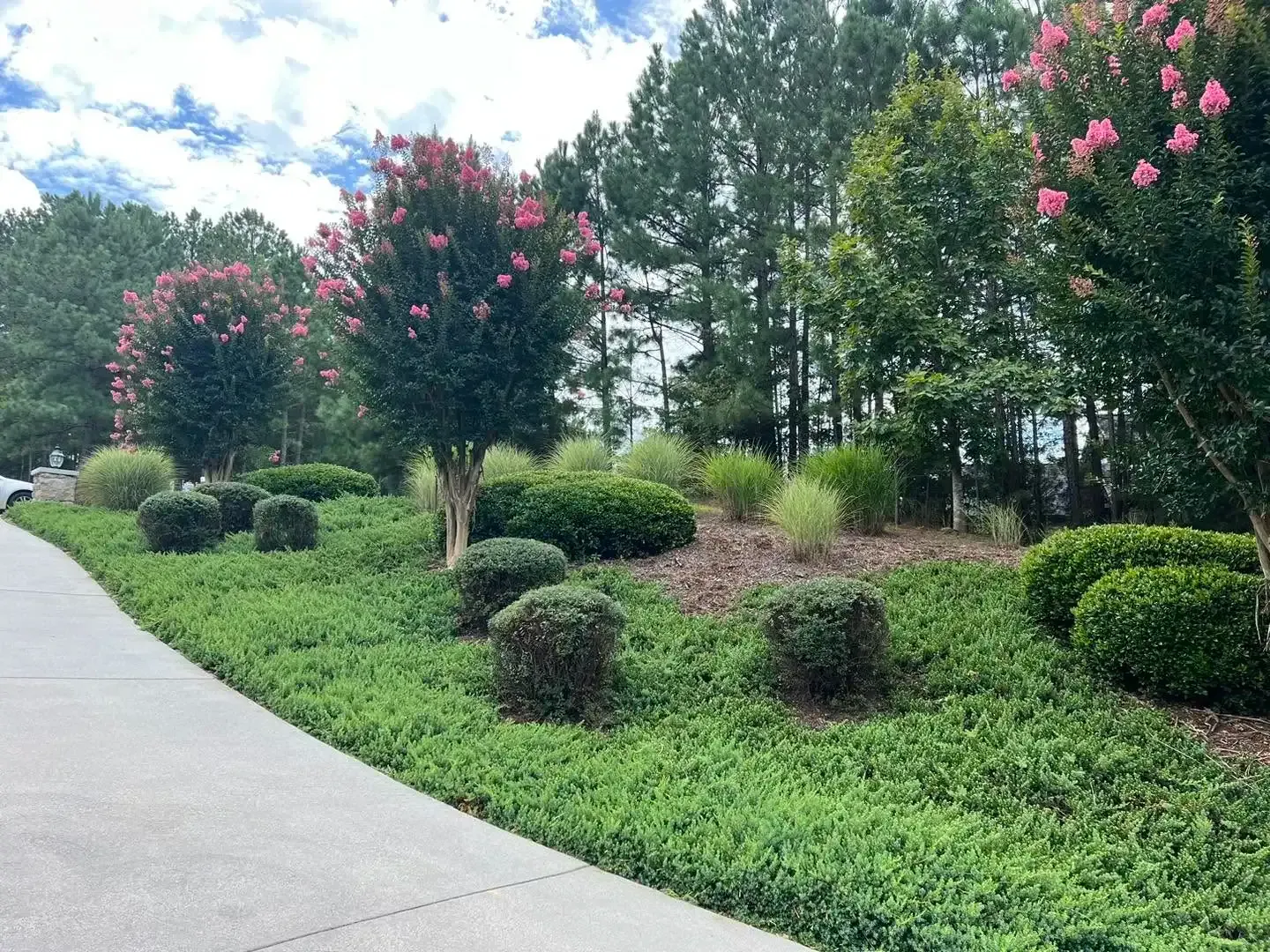
- Mulched planting beds
- Groundcover
- Walkways
- Paver areas
- Retaining walls
- Drainage features
- Shade-tolerant landscaping
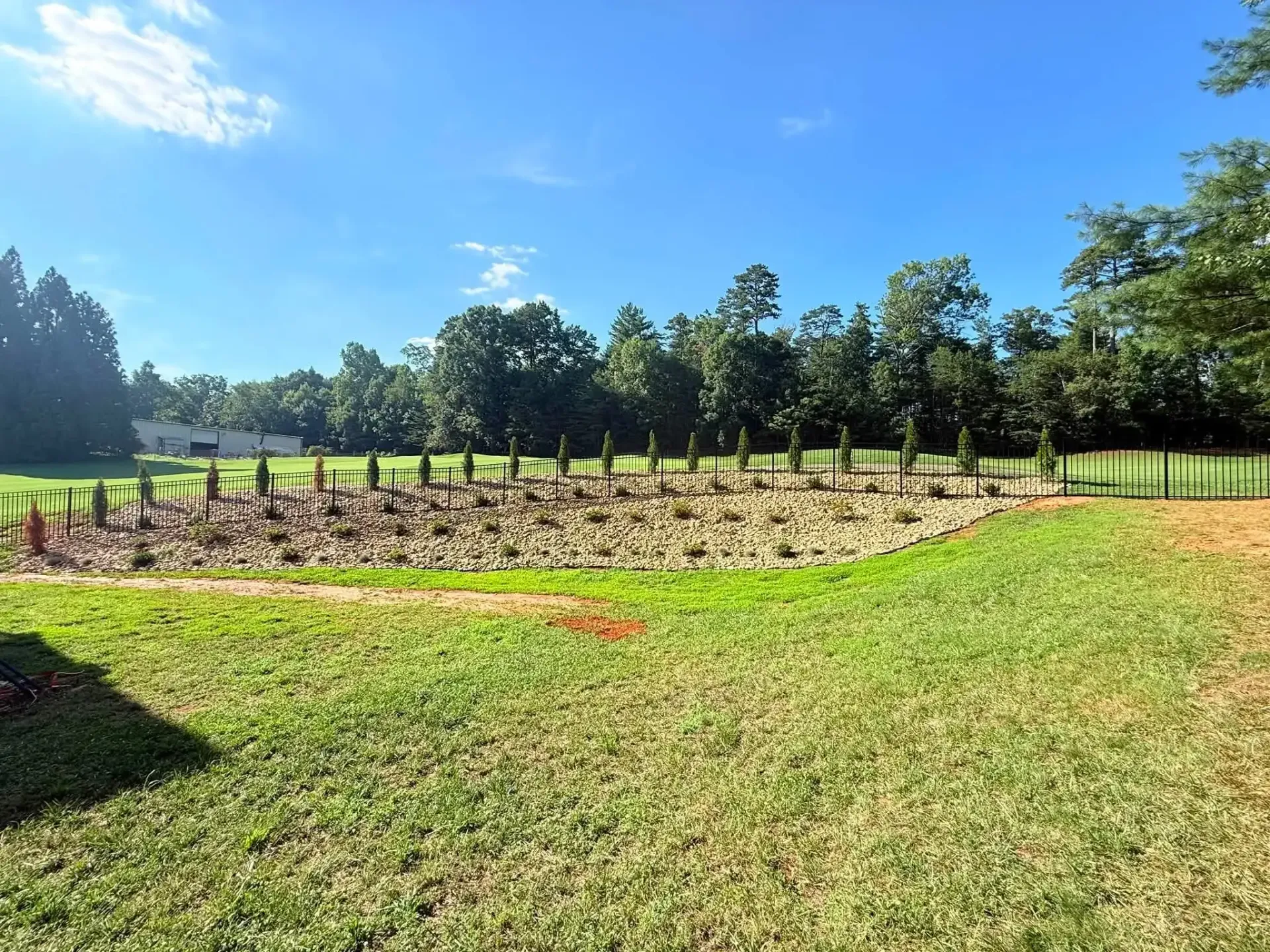
These changes can reduce mowing, improve erosion control, and make the yard easier to use. Our guide to eco-friendly landscaping ideas for sustainable yards offers additional ideas for reducing high-maintenance lawn areas.
Summer Lawn Protection Checklist
You can help your lawn survive summer by reducing stress rather than forcing rapid growth.
- Water early in the morning
- Avoid light daily watering on established turf
- Keep tall fescue around 3 to 4 inches high
- Use sharp mower blades
- Avoid mowing when the lawn is wet
- Limit traffic on soggy or wilted grass
- Avoid excessive summer nitrogen
- Watch shaded areas for brown patch
- Repair sprinkler coverage problems
- Schedule fall aeration and seeding early
- Evaluate recurring drainage issues before reseeding
For ongoing help, Pro Series Lawn Care offers customizable lawn care and maintenance services, including recurring and one-time options.
FAQs About Protecting Your Lawn
When should I aerate and overseed tall fescue in Conover?
Early fall is normally the best time, with September through early October providing favorable conditions in most years. Scheduling may shift slightly depending on heat, rainfall, and soil moisture.
Can I seed tall fescue in spring?
You can seed in spring, but young grass has less time to develop strong roots before summer heat arrives. Fall establishment generally gives tall fescue a better chance of surviving its first summer.
Will aeration fix standing water?
Aeration may improve infiltration when surface compaction is the main problem. It will not correct a major low spot, poor slope, blocked runoff route, or drainage defect.
Can a homeowner fungicide stop brown patch?
A properly labeled product may suppress active disease, but it will not correct poor watering, excessive nitrogen, compacted soil, shade, or limited airflow. Long-term control usually requires both cultural changes and properly timed treatment.
Does Pro Series Lawn Care serve Conover?
Yes. Pro Series Lawn Care is based in Conover and serves residential and commercial properties in Catawba County, including Conover, Newton, and Hickory. The company offers lawn care, aerating and seeding, mowing, landscaping, grading, property cleanup, and related outdoor services.
Get a Healthier Lawn in Conover
You do not have to repeat the same cycle of summer browning, muddy low spots, and unsuccessful reseeding every year. We can evaluate your lawn, identify the cause of the damage, and recommend the right combination of mowing, drainage work, landscaping, and lawn aeration and seeding in Conover, NC.
Call
Pro Series Lawn Care at
(828) 781-0326 to request a free estimate.
SHARE THIS ARTICLE
Our Recent Posts